

TL;DR
What makes Bitcoin, the digital gold, scarce? The halving mechanism reduces the bitcoin reward to a miner in half approximately every four years or after every 210,000 blocks. Initially, the reward was 50 BTC for each block mined. It's been 6.5 BTC since 2020. The 4th halving is expected in April 2024.
A halving in cypto refers to an event that occurs in certain cryptocurrencies, most notably Bitcoin, where the rate at which new coins are created or issued as rewards to miners is reduced by half. This event is programmed into the blockchain protocol and happens after a specific number of blocks have been mined.
In the case of Bitcoin, the halving event occurs approximately every four years or after every 210,000 blocks. When a halving takes place, the reward given to miners for successfully mining a new block is reduced by half. Initially, when Bitcoin was created in 2009, the block reward was 50 bitcoins. The first halving occurred in November 2012, reducing the reward to 25 bitcoins per block. The second halving occurred in July 2016, reducing the reward to 12.5 bitcoins. The thrid halving ocurred in May 2020, reducing the reward to 6.25 bitcoins. The fourth halving is expected in April 2024, reducing the reward to 3.125 bitcoins.
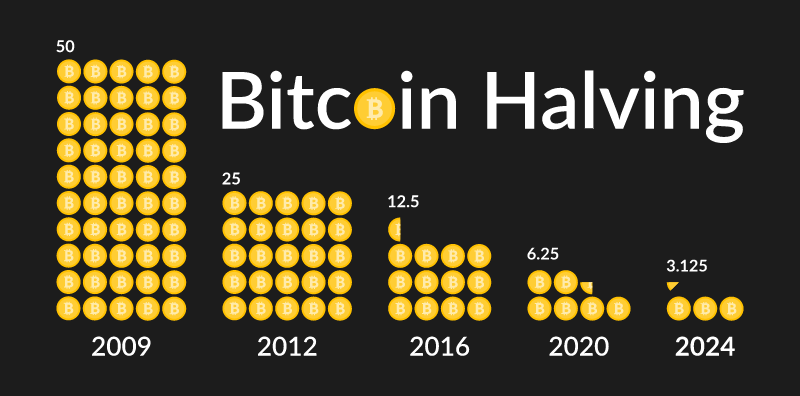
The purpose of halvings is to control the issuance of new coins and create scarcity, thereby maintaining the value and integrity of the cryptocurrency. By reducing the rate at which new coins are introduced into circulation, it is believed that halvings can help combat inflation and ensure that the supply of the cryptocurrency remains limited over time.
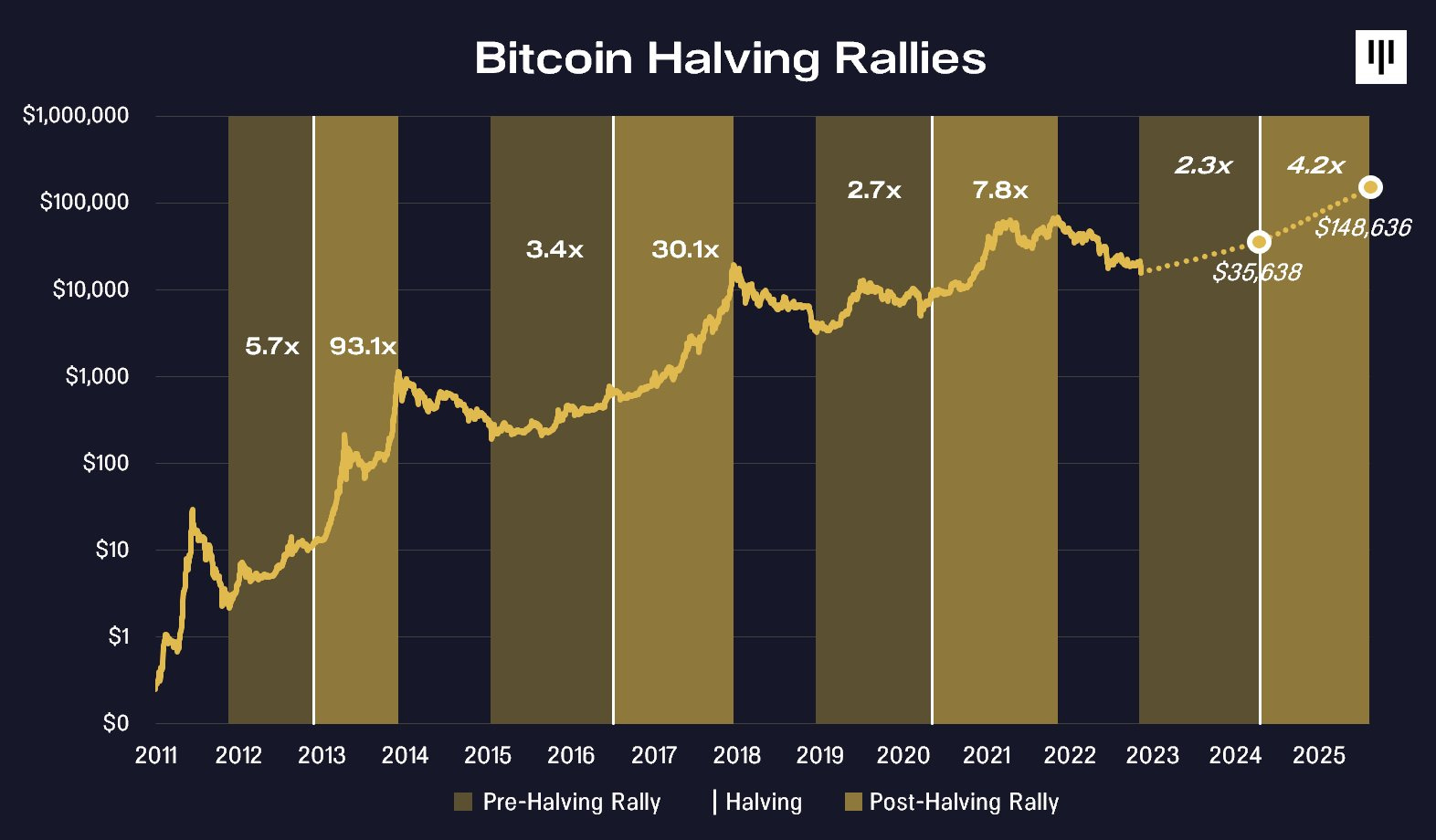
Halvings often generate significant attention and anticipation within the cryptocurrency community, as they can have an impact on the market dynamics and the perceived value of the cryptocurrency being halved. Historically, Bitcoin halvings have been associated with increased demand and upward price movements, although the market is influenced by various factors, and past performance does not guarantee future results.